Brake rotors are one of those parts most drivers never think about, until something goes wrong. Squealing, vibration, or a brake pedal that just doesn’t feel right are all signs your rotors might need attention. We spoke with an experienced auto parts specialist to get real-world insight into the mistakes customers make, what causes premature wear, and how Canadian winters play a bigger role than most people realize.
The #1 Mistake Customers Make When Choosing Brake Rotors
According to our specialist, the most common error isn’t about brand or budget. It’s about fitment accuracy. Customers frequently select the wrong diameter, or get their vehicle’s year, make, model, or engine selection wrong. That last one trips people up more than expected: the same model can have three or four different engine options (a 2.0L, a 2.5L, even a 5.0L or larger in heavier trucks), and each variant can require a different rotor size.
Bottom line: Before you order, double-check your Year, Make, Model, and Engine (YMME), all four, not just three. Heavier vehicles with bigger engines generally need larger diameter rotors to handle the added load, so an engine mismatch is enough to throw off your fitment.
Common Fitment Issues After Ordering
The fitment problems customers run into almost always trace back to the same root cause: incorrect diameter or incorrect vehicle/engine selection at checkout. If any of those details are off, the new rotor simply won’t seat or perform correctly, even if it looks like the “right” part on paper.
What to check before ordering online:
- Exact year, make, and model
- Engine size/type (don’t assume, check your VIN or owner’s manual if unsure)
- OEM rotor diameter and thickness specs
Does Rotor Wear Depend on the Vehicle Model?
Not really. Our specialist was clear that no particular model is inherently harder on rotors. It comes down to how the vehicle is driven, not what it is.
There’s also a common myth worth busting: many people believe rotors should be replaced every six months. That’s not accurate. Replacement timing should be based on mileage and driving habits, not a calendar. A low mileage weekend driver and a full-time rideshare driver will wear through rotors at completely different rates. Someone driving 25,000–30,000 kmin six months will need a change long before someone who drives 1,000 km in the same period.
City Driving vs. Highway Driving: Does It Matter?
City driving means more frequent, regular braking; stop and go traffic puts consistent, moderate stress on rotors. Highway driving involves less frequent but more forceful braking, since higher speeds mean more energy needs to be dissipated when you brake. According to our specialist, the difference isn’t dramatic, but braking from higher speeds does put more intense, concentrated stress on the rotor in a shorter window.
city driving is harder on rotors. Stop-and-go traffic means braking every few hundred metres, and all those stops add up to far more wear than a typical highway trip. On the highway you might drive 100 km and barely touch the brakes.
Highway braking does have its own risk. A single stop from 100 km/h puts about four times as much heat into the rotor as a stop from 50 km/h. According to our specialist, those hard, high-speed stops put intense stress on the rotor in a short window. That matters most when you’re towing, carrying a heavy load, or braking down long hills, where heat builds up and can lead to uneven wear.
Bottom line: mostly city driving means checking your brakes more often. Mostly highway driving means your brakes will usually last longer, unless you tow or drive in the mountains.
Canadian Winters: A Bigger Factor Than You’d Think
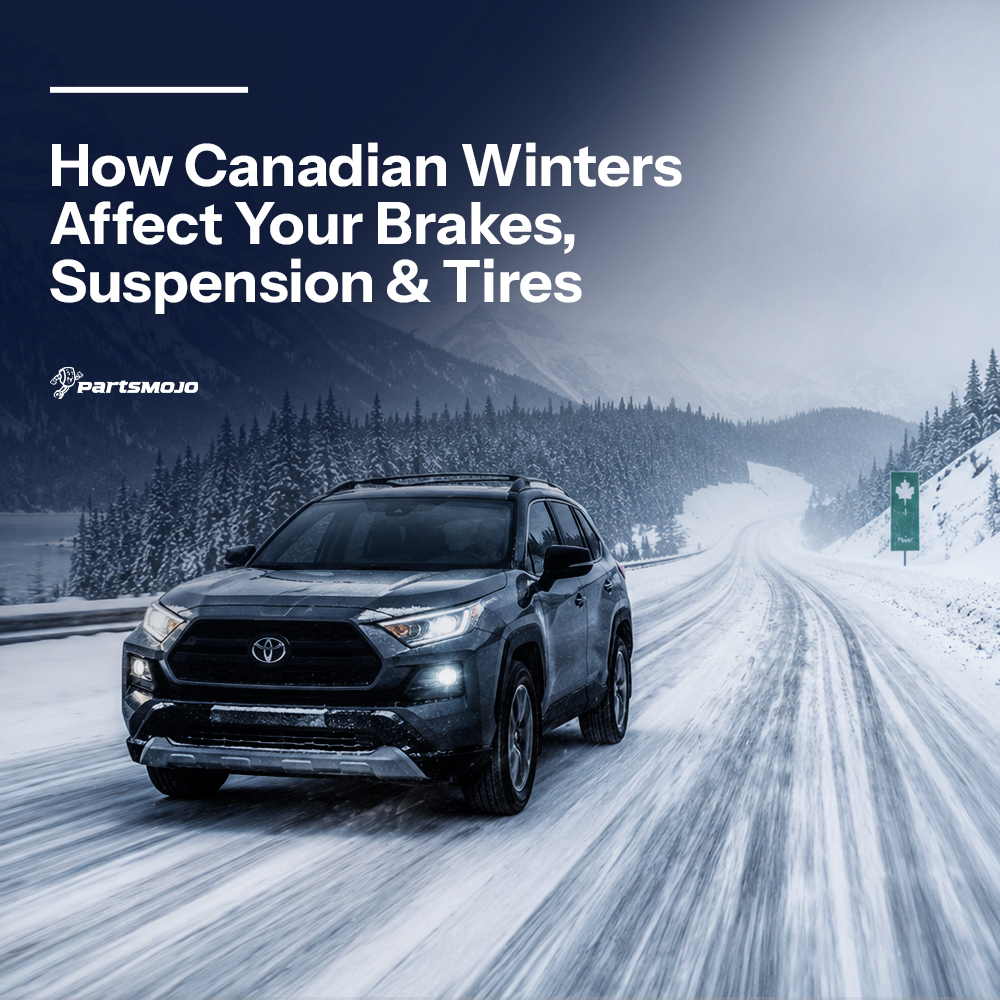
This is where things get specifically relevant for Canadian drivers. Winter conditions, and in some regions, heavy year-round rain instead of snow, accelerate one issue above all others: rust.
Key points from the interview:
- Rusting is the primary winter related rotor problem. It’s common enough that our specialist recommends checking your rotors for rust before and after winter season.
- Rust reduces friction. When brake pads grip a rusted rotor, the reduced friction means less effective braking, not a total freeze up, but a real performance drop when you need stopping power most.
- It’s not exclusive to snowy provinces. Western provinces with heavier rainfall but milder winters see similar rust related wear, just from a different cause.
- People commonly replace rotors around seasonal changes, either right before winter hits or right after it ends, and often before long road trips.
- Temperatures matter. In provinces like Alberta and Saskatchewan, average winter temperatures hover around -15°C, with extremes reaching as low as -40°C. Snow accumulation can stay on the roads for 2 to 3 months at a stretch, giving rust plenty of time to develop.
Takeaway: If you live somewhere with harsh winters or heavy road salt/rain exposure, build a rotor inspection into your seasonal maintenance routine, not just your regular mileage checks.
What Customers Usually Ask Before Buying
Before purchasing, most customers want confirmation on two things: whether the rotor is in stock, and whether it will actually fit their vehicle. Fitment questions are especially common among customers who aren’t 100% sure of their engine selection, which loops back to the fitment issue above.
Do People Replace Rotors When They Don’t Need To?
It happens, but it’s relatively rare, especially if you’re working with a knowledgeable mechanic who will accurately diagnose whether the issue is really the rotors or something else (like pads, tires, wheel bearings or suspension). That said, unnecessary replacements can occur during bundled service visits. For example, if you’re already getting new tires and your rotors have limited life left (say, around four months), a shop might recommend replacing them at the same time, even if they’re not the current issue.
Installation Mistakes That Cause Vibration or Uneven Wear
The specialist flagged this as primarily a fitment and mounting issue: rotors that aren’t properly seated on the mount, or that are forced into place despite being an incorrect size, are the leading cause of vibration, wobbling, and uneven wear after installation. Getting the size right, and making sure it’s mounted correctly, is the difference between a smooth installation and a rotor that causes problems from day one.
Our specialist says the biggest cause is fitment: a rotor that’s the wrong size or isn’t seated properly on the hub will vibrate and wear unevenly. A few skipped steps cause the same problems:
- Rust on the hub. Clean the hub face with a wire brush so the new rotor sits flat.
- Impact-gun tightening. Torque the lug nuts to spec with a torque wrench, in a star pattern.
- Protective coating left on. Wipe new rotors with brake cleaner before installing.
- Old pads reused. Always fit new pads with new rotors.
- No bed-in. Make several moderate stops from about 50 km/h to 10 km/h, then drive a few minutes without heavy braking.
If you’re not confident doing the job yourself, have a licensed technician do it.
Advice for First-Time Rotor Buyers
The clearest piece of advice from our specialist: don’t shop on price alone. Budget rotors will technically function, but quality rotors offer meaningfully better durability and reliability over time. Given how critical brakes are to safety, this is one area where it pays to invest a bit more upfront.
Why Do Most Brake Rotor Replacements Happen in Canada?
Two main drivers:
- Seasonal weather changes, especially around winter, when people proactively replace worn rotors before conditions get harsh, or address rust damage after winter ends.
- Driving habits and mileage, heavier or more frequent driving simply wears rotors down faster, regardless of season.
There’s also a behavioral pattern worth noting: many drivers use long trips or seasonal transitions as a natural checkpoint to update their brakes, even without a specific complaint prompting the change.
Quick DIY Checklist Before You Order or Replace Rotors
- Confirm your exact year, make, model, and engine
- Base replacement timing on mileage and driving habits, not a fixed calendar interval
- Inspect for rust before and after winter (or after prolonged wet weather)
- Choose quality over the lowest price; brakes aren’t the place to cut corners
- If you notice vibration or noise after a new install, double check that the rotor is the correct size and properly mounted before assuming it’s defective
Brakes are safety-critical. If you’re not confident doing the job, have a licensed technician do it.”